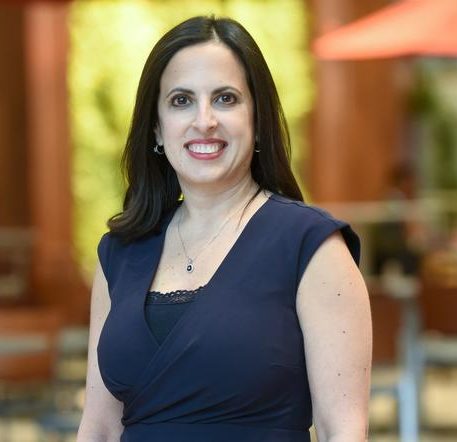


Nathaniel Chin
Nathaniel Chin
Nathaniel Chin, MD, is an associate professor of medicine at the University of Wisconsin School of Medicine and Public Health and a geriatrician specializing in memory care. He serves as the medical director of the Wisconsin Alzheimer’s Disease Research Center (ADRC), the Wisconsin Registry for Alzheimer’s Prevention (WRAP), and the ADRC Consortium for Clarity in ADRD Research Through Imaging (CLARiTI). In addition to his leadership roles, he sees patients each week and serves as associate program director of the UW Health Geriatric Memory Clinical Program.
Dr. Chin’s clinical and research efforts focus on early detection of cognitive impairment, the use of biomarkers in diagnosis, and improving quality of life after diagnosis through comprehensive, person-centered care. He is also interested in understanding how modifiable factors—such as lifestyle, environment, and health behaviors—affect biomarkers and the underlying mechanisms of Alzheimer’s disease.
A passionate communicator, Dr. Chin is the creator and host of Dementia Matters, an internationally recognized biweekly podcast produced by the Wisconsin ADRC that features leading scientists, clinicians and caregivers. His work has been featured in The New England Journal of Medicine, JAMA, and Scientific American, as well as in national outlets such as NPR, The New York Times, and Forbes.
His path to memory care was inspired by his father’s early-onset Alzheimer’s diagnosis, which shaped his mission to translate science into compassionate, practical guidance for families and professionals alike. Dr. Chin’s public speaking spans keynotes, panels, and webinars for clinical, policy, and community audiences, including the Alzheimer’s Association, Alzheimer’s Foundation of America, POLITICO health policy forums, and national Alzheimer’s advocacy events.

Hardcover
|
A geriatrician whose perspective on his specialty changed when his own father was diagnosed with dementia provides clear, calm questions to ask and tasks to tackle—as well as what not to worry about—from the first moments of concern.
When Nate Chin’s father, also a doctor, began to feel his mind slipping, even a family as knowledgea...Read More
|
The New Era of Alzheimer’s: What Early Detection Makes Possible
How blood, imaging, and CSF biomarkers are transforming diagnosis and care—what clinicians, families, and payers need to know now.
From Clinic to Community: Practical Brain-Health Strategies That Work
Evidence-informed lifestyle guidance (sleep, exercise, diet, stress reduction, social/cognitive engagement) translated for real-world adoption by patients, caregivers, employers, and communities.
From Concern to Clinic: What to Do From the Initial Complaint to Diagnosis
Practical approaches on discussing cognitive change with family, friends, and primary care providers. Overview and detailed steps of the cognitive evaluation process.
Discussing a Difficult Diagnosis: Communication Skills in Memory Care
Step-by-step approaches to discussing cognitive concerns, disclosing biomarker results, and aligning care plans with patient values.
Demystifying Biomarkers & New Therapies
Plain-language overview of current and emerging Alzheimer’s biomarkers and
treatments, including appropriate use and safety considerations.
Caregiver Realities & Resources: What Professionals Should Say—and Do
What caregivers wish clinicians knew; concrete tools, referral pathways, and community resources.
Building Dementia-Capable Systems
How health systems, senior living, and employers can create supportive environments and reduce stigma; program templates and metrics.
Aging Well: What it Means to Live a Full Life in Your Later Years
Overview of the aging process and what can be done to maintain cognitive and functional abilities through lifestyle interventions and optimizing chronic health conditions.
Book This Speaker
x