

Lindsey Fitzharris
Lindsey Fitzharris
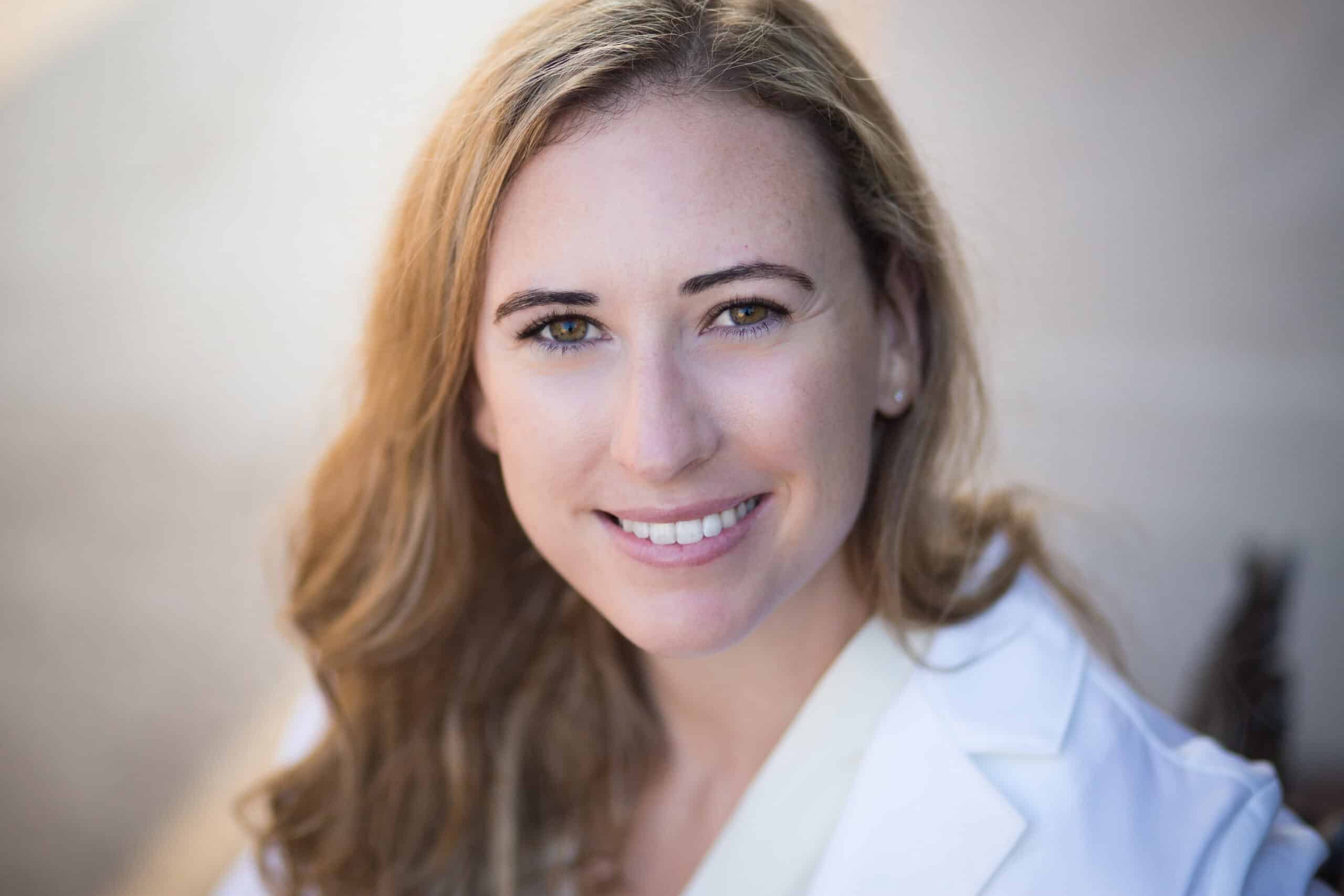
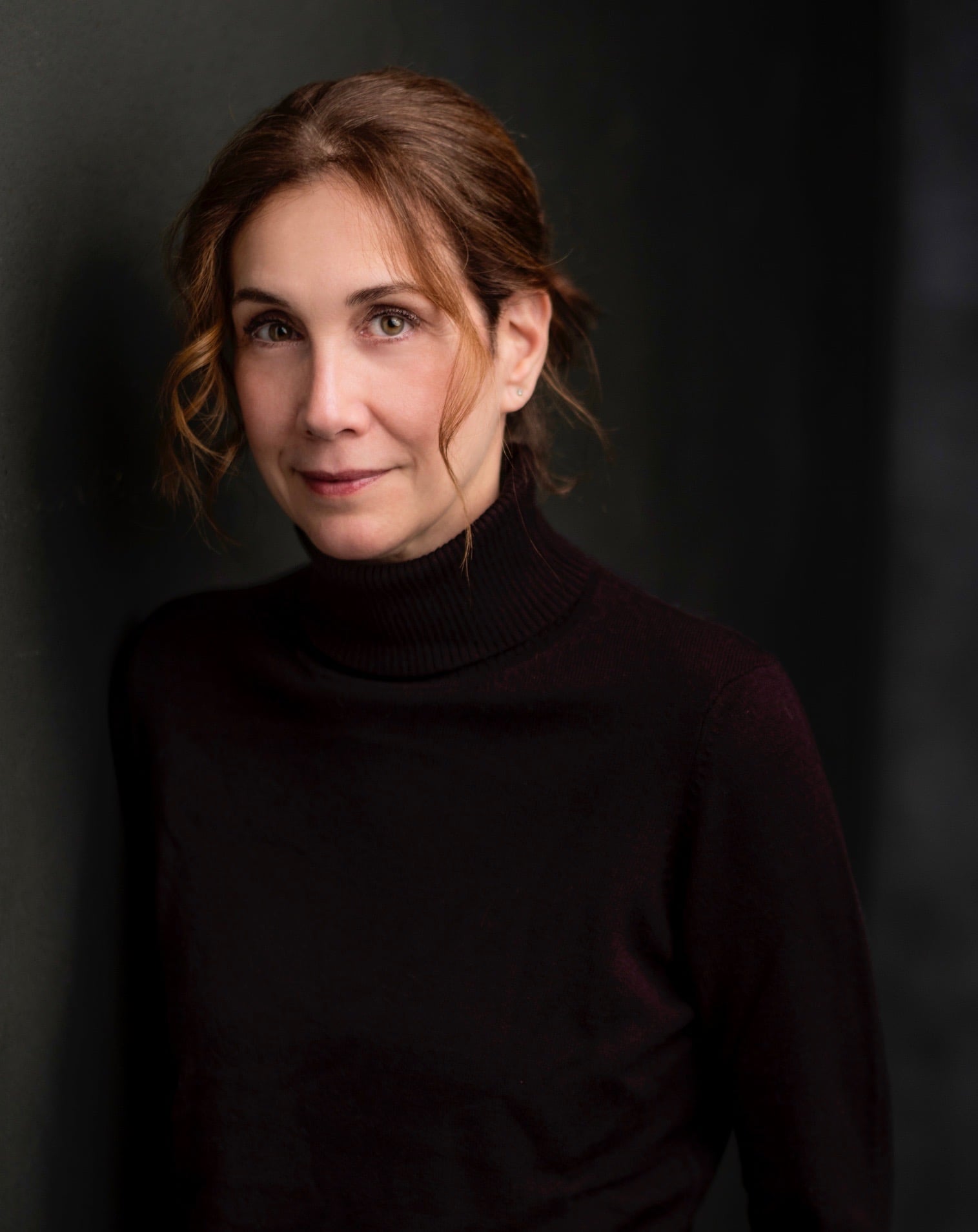
Dr. Lindsey Fitzharris is a New York Times bestselling author, television host, and medical historian with a PhD from the University of Oxford. A regular contributor to The Wall Street Journal, Scientific American, The Guardian, The Lancet, and New Scientist, she is known for bringing the grisly, surprising, and deeply human history of medicine to life.
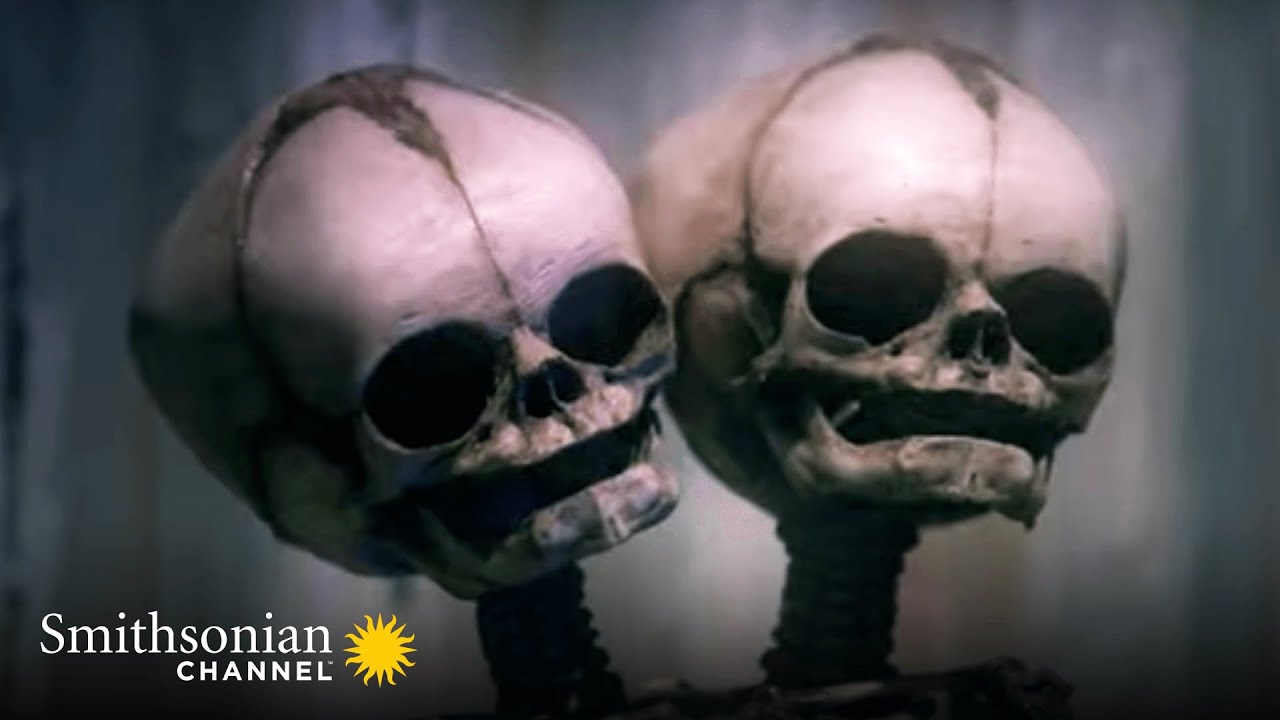
Lindsey’s debut book, The Butchering Art (2017), a celebrated account of Victorian surgery, won multiple literary awards, earned international acclaim, and has been translated into 20 languages. In 2021, she hosted the Smithsonian Channel series The Curious Life and Death of…, exploring some of history’s most mysterious deaths.
Her follow-up book, The Facemaker (2022), about pioneering First World War surgeon Harold Gillies, was an instant New York Times bestseller and debuted at #4 on the Los Angeles Times bestseller list.
Lindsey reaches an audience of more than 750,000 followers across various social media platforms. She has appeared on CNN, BBC, C-SPAN, and NPR’s Fresh Air. Her appearance on The Joe Rogan Experience was #1 on Chartable’s Top Charts, with over two million views and downloads within the first week. Lindsey is also a children’s author, collaborating with her husband, Adrian Teal—head caricaturist for the hit TV series, Spitting Image—to bring the wonders of medical history to young readers.
Her forthcoming book (October 2026), Sleuth-Hound, is a whirlwind tour of Victorian forensics from the perspective of the medical detective, Joseph Bell, whose methods and razor-sharp logic inspired the creation of Baker Street’s famous resident: Sherlock Holmes.
Dr. Fitzharris has an extensive track record of delivering talks to prestigious audiences across the United States and United Kingdom. She has spoken at some of the world’s most distinguished academic institutions, including Oxford, Duke, Northwestern, Purdue, Auburn, and the University of Chicago. Her expertise in medical history has made her a sought-after keynote speaker
within the medical and scientific community, as well as museum and heritage audiences.
|
Hardback
|
The untold story of the Edinburgh doctor who became Arthur Conan Doyle's model for Sherlock Holmes, and his adventures in the criminal underworld of Victorian Britain.
Throughout nineteenth-century Edinburgh, the surgeon Joseph Bell was known for his extraordinary talent for detection and diagnosis. To the amazement of onlookers at the Ro...
|
|
Trade Paperback
|
A New York Times Bestseller
“Enthralling. Harrowing. Heartbreaking. And utterly redemptive. Lindsey Fitzharris hit this one out of the park.” —Erik Larson, author of The Splendid and the Vile
Lindsey Fitzharris, the award-winning author of The Butchering Art, presents the compelling, t...
|
|
Trade Paperback
|
The gripping story of how Joseph Lister’s antiseptic method changed medicine forever...
|


The Shocking Medical Histories Behind Everyday Objects
What do the red and white stripes on a barber’s pole have to do with bloodletting? Where did 18th-century dentists find teeth for dentures? What was the original use of Listerine? An entertaining exploration of everyday objects with surprising and macabre medical origins.
Nobody’s Hands Are Clean: A Cautionary Tale from Medical History
The story of Victorian hospitals as dangerous places teeming with infection, and how one surgeon’s battle against the medical establishment changed everything.
Plastic Surgery’s Humble Beginnings
From the moment the first machine gun rang out over the Western Front, one thing was clear: mankind’s military technology had wildly surpassed its medical capabilities. Bodies were battered, gouged, hacked, and gassed. The First World War claimed millions of lives and left millions more wounded and disfigured. In the midst of this brutality, however, there were also those who strove to alleviate suffering. One such individual was the pioneering plastic surgeon Sir Harold Gillies, whom together with an extraordinary interdisciplinary team that included dentists, artists, and mask-makers, taught himself and others how to repair the burned and broken faces of the injured soldiers under his care. At its core, this is a story about how medicine and art can merge, and of what courage and imagination can accomplish in the presence of relentless horror.
Bullets & Bandages
War has always been one of medicine’s most brutal teachers. This talk explores the extraordinary and often overlooked ways in which armed conflict has driven some of the most dramatic advances in surgical history. From the battlefields of the American Civil War, where surgeons pioneered new techniques in amputation and wound management under catastrophic pressure, to the blood-soaked trenches of the First World War, which gave rise to the first organized blood transfusion services and transformed our understanding of trauma care, Dr. Fitzharris traces the unlikely relationship between destruction and discovery.
Fail Like a Scientist
Behind every great medical breakthrough lies a graveyard of failures, false starts, and catastrophic mistakes. Drawing on vivid and often shocking stories from medical history, Dr. Fitzharris reveals that failure is not the opposite of progress—it is its engine. From surgeons who killed more patients than they cured, to scientists ridiculed for ideas that would go on to save millions of lives, this talk reframes our relationship with setbacks entirely. Relevant to doctors, researchers, and business leaders alike, Fail Like a Scientist is an inspiring reminder that in medicine, as in life, the path to success is paved with glorious failure.
Medical History for All: What the Past Can Teach Us About Empathy,
Survival, and Identity
A powerful and accessible exploration of why medical history belongs to everyone. Drawing on stories of patients, pioneers, and those who fell through the cracks, Dr. Fitzharris reveals how the history of medicine illuminates the most fundamental questions of what it means to be human—how we endure suffering, how we care for one another, and how our bodies and identities are shaped by the societies we live in. A talk for general audiences and specialists alike, this is medical history as a lens on the human condition.
Sleuth-Hound: Victorian Forensics and the Real Sherlock Holmes
Before there was Sherlock Holmes, there was Joseph Bell—the brilliant, razor-sharp Edinburgh surgeon whose uncanny powers of observation and deduction inspired one of the most iconic fictional characters in history. In this talk, Dr. Fitzharris takes audiences on a thrilling tour through the birth of modern forensic medicine, revealing how Victorian doctors and medical detectives transformed crime investigation forever. From the pioneering use of toxicology and fingerprinting to the emergence of criminal profiling, she shows how science began to replace superstition in the courtroom—and how one remarkable man’s methods changed the way we think about evidence, logic, and truth.
 ▶
▶
 ▶
▶
 ▶
▶
 ▶
▶

History Bookshelf: The Butchering Art

‘The Facemaker’: Mending broken faces and broken spirits in WWI
Praise for The Facemaker
“A riveting, old-fashioned, man-meets-the-moment account of [Harold] Gillies’ work in the field of plastic surgery, before ‘plastic surgery’ as a field officially existed . . . [Fitzharris] give[s] vivid immediacy to the patients’ ordeals.”
— Maureen Corrigan, NPR
“Both heartbreaking and inspiring, The Facemaker tells a profound story of survival, resurrection and redemption . . . The Facemaker is not only a stirring tribute to the singular humanity and greatness of one man but a haunting and unforgettable elegy to the sacrifice and suffering of all the soldiers of [WWI]. In the words of that Remembrance Day incantation, Lest we forget.”
— James L. Swanson, The Wall Street Journal
“Grisly yet inspiring . . . The suspense of [Fitzharris’s] narrative comes not from any interpersonal drama but from the formidable challenges posed by the physical world.”
— Jennifer Szalai, The New York Times